Colfax I FRB
Nisenan, Maidu, & Miwok Territory
California
The Colfax I Forest Resilience Bond (FRB) is the first resilience bond to be both led and implemented by a Tribal organization, offering a new model for how conservation finance can align with and amplify Indigenous stewardship.
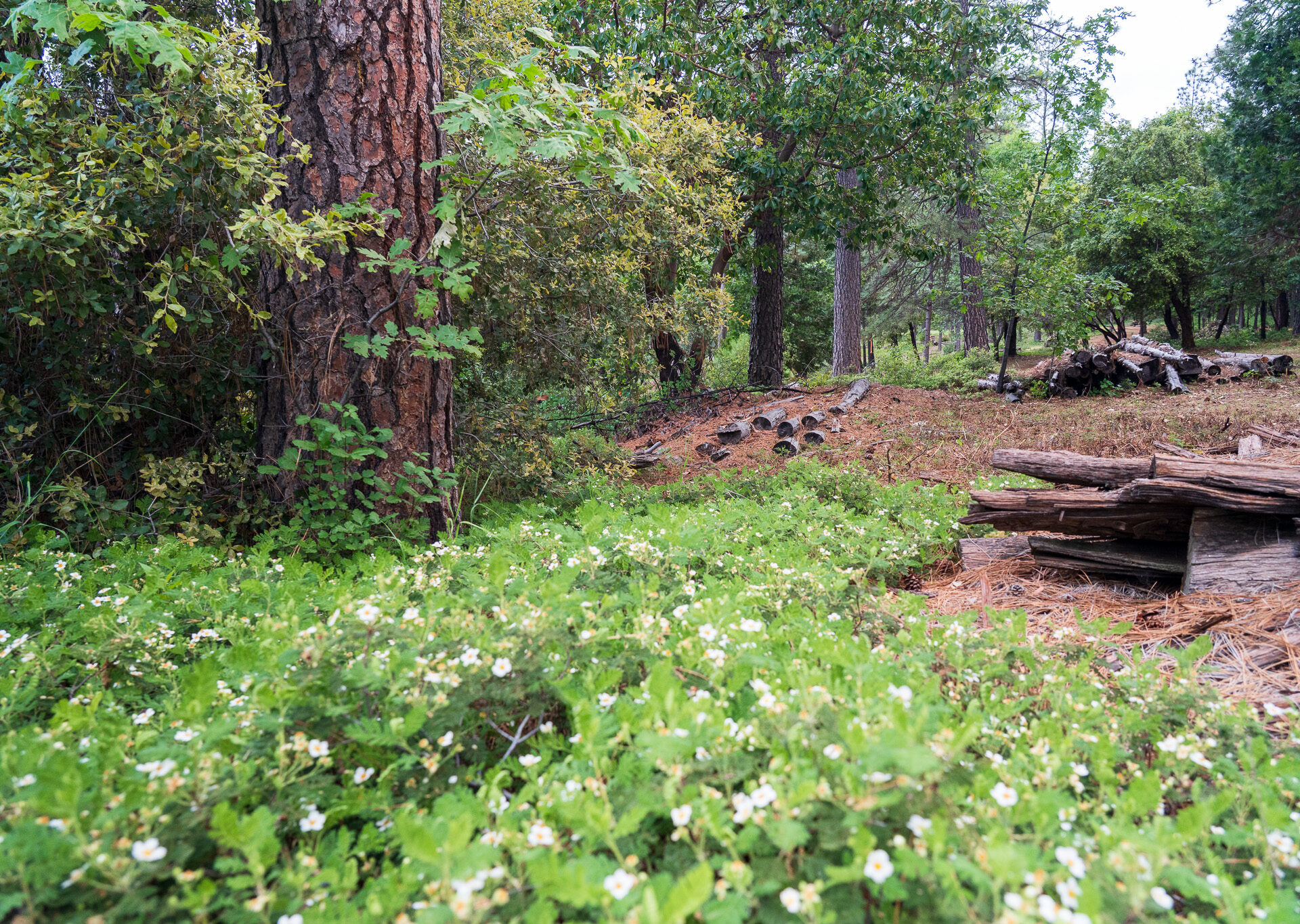
The Koy’o Land Conservancy, the Colfax-Todds Valley Consolidated Tribe, and the Shingle Springs Band of Miwok Indians are partnering to restore 408 acres of Tribal and co-stewarded land across Placer and El Dorado Counties in California’s Sierra Nevada. The project spans Tribal trust, private fee, and Bureau of Land Management (BLM) lands, and focuses on ecocultural restoration in the ancestral homelands of the Miwok, Maidu, and Nisenan Peoples. The Colfax I FRB finances this work and is designed to enable future growth, both on this landscape and in how conservation finance continues evolving to more effectively support Tribal-led stewardship across the Western U.S.
Although the Colfax-Todds Valley Consolidated Tribe is not federally recognized today, their relationship to these lands has remained active and enduring—despite the wrongful termination of their federal status under the California Rancheria Act of 1958. To reclaim and steward their ancestral territory, the Tribe established the Koy’o Land Conservancy, named after one of their many villages in the Colfax area. In the absence of federal recognition—and the funding that often accompanies it—the Colfax I FRB is helping the Tribe advance restoration on their ancestral homelands with greater coordination, continuity, and alignment to their long-term vision for the landscape, while also building up the Tribal workforce capacity to lead and sustain this work into the future.
On the ground, restoration is being carried out by the Fire Leadership for Intertribal Conservation Knowledge-keeping Eco-cultural Revitalization (F.L.I.C.K.E.R.) Crew, a cooperative workforce made up of individuals from local Tribal communities. Rooted in Indigenous Knowledge systems and a direct relationship with the land, their work includes cultural fire treatments, hand thinning, native seed collection and planting, and long-term ecological monitoring. Alongside these efforts, partnerships are forming to support knowledge-sharing and data collection, including a developing database of Tribal information. Owned by the Tribe and shaped through both cultural monitoring and collaborative research, this resource will support current stewardship and future generations. Together, these efforts are expected to reduce wildfire risk, support climate adaptation, expand Tribal workforce opportunities, and strengthen the capacity for Indigenous stewardship and community-led restoration well into the future.
The Colfax I FRB is an example of a project that supports a broader, more holistic definition of resilience-building. Here, resilience encompasses not just ecological health, but also the capacity of Tribal communities to sustain their stewardship, culture, and vision for the land across generations.
Project Partners
Projects
Related Projects
View all-
Rogue River-Siskiyou National Forest
Project underway
Rogue Valley I FRB
-
Plumas National Forest
Project underway
North Feather I FRB
-
Eldorado National Forest
Project underway
Upper Mokelumne I FRB