Yuba Aspen and Meadow I FRB
Tahoe National Forest
California
Through deep-rooted collaboration, partners are bringing new life to the headwaters of the North Yuba River, restoring meadows and forests to improve water storage, habitat, and wildfire resilience.
Blue Forest, South Yuba River Citizens League (SYRCL), Yuba Water Agency (YWA), and the Tahoe National Forest are collaborating to restore montane meadows and stream systems at the headwaters of the North Yuba River in California’s Lost Sierra through the Yuba Aspen and Meadow I FRB (YAM I FRB). This FRB, built on deep-seated relationships formed through the North Yuba Forest Partnership, is accelerating restoration across a vast landscape, creating a rich mosaic of forest and meadow ecosystems that sustain biodiversity, reduce wildfire risk, and strengthen long-term forest resilience.
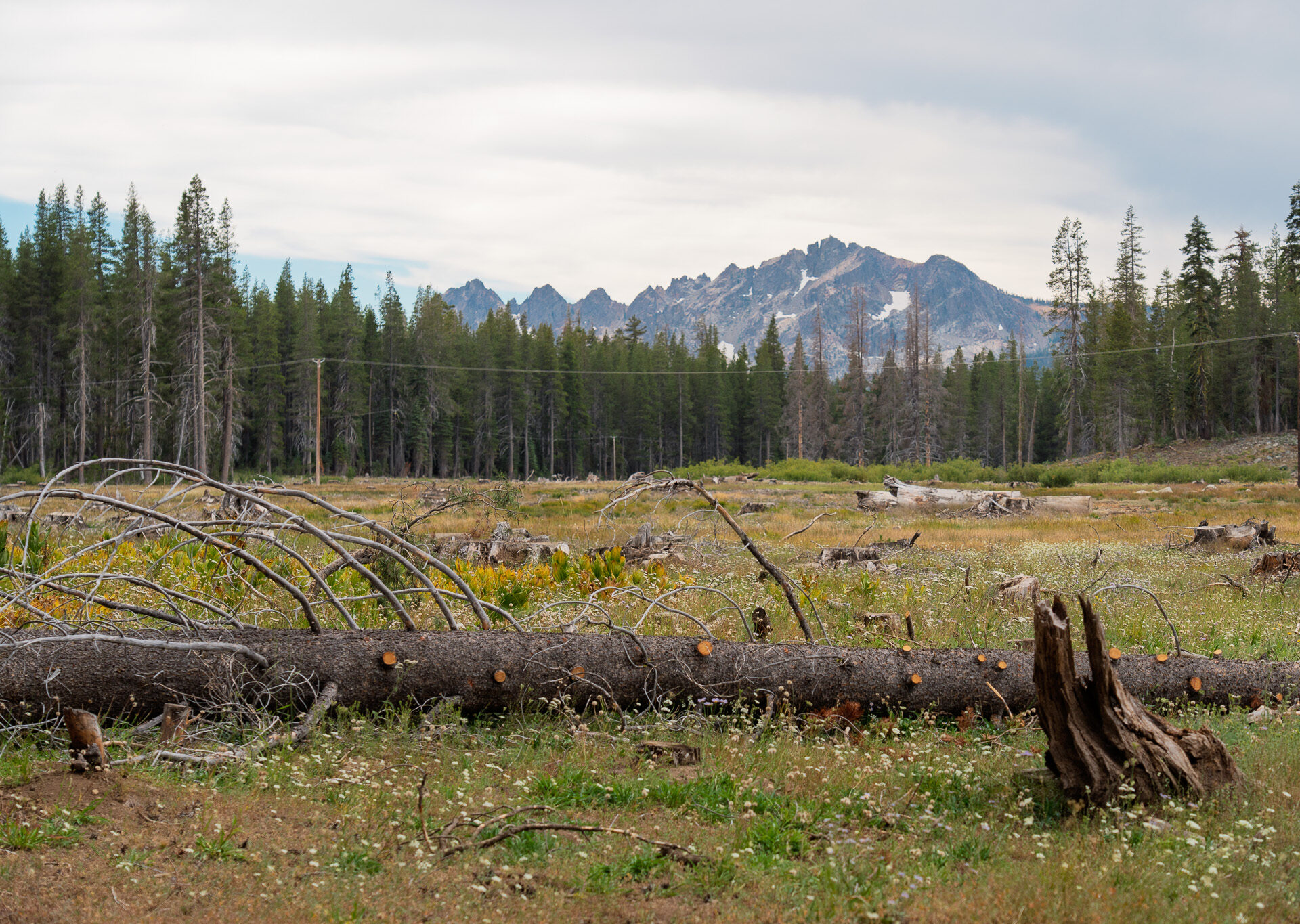
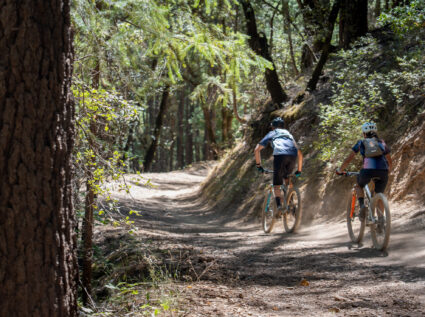
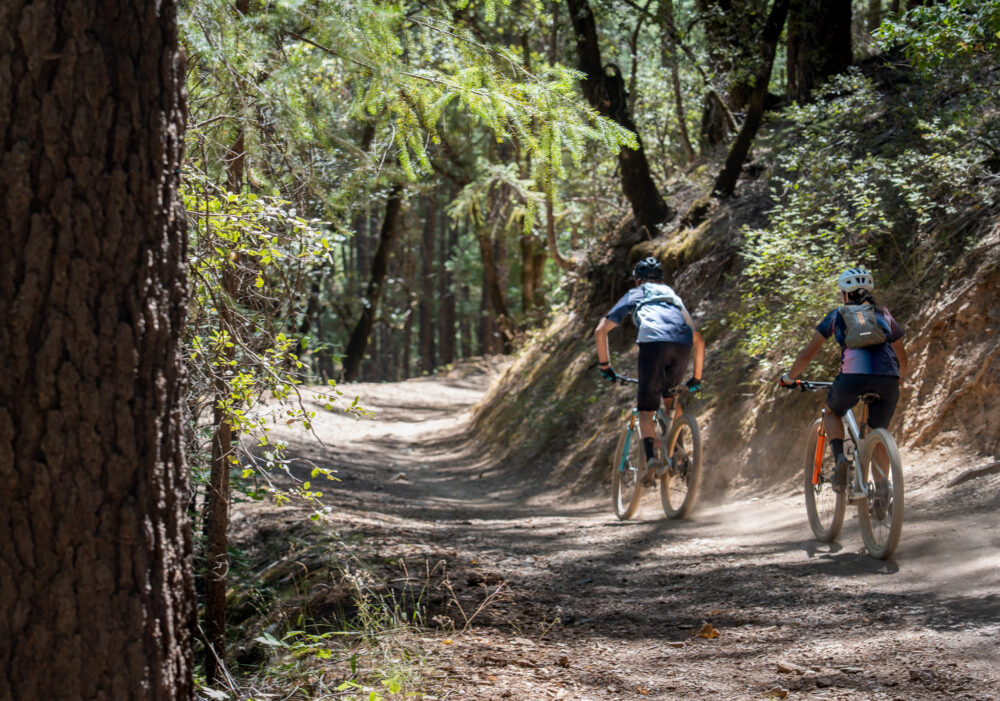
Within the North Yuba Forest Resilience Project area, and nestled in the Gold Lakes Basin region, where the Pacific Crest Trail winds through a landscape popular for hiking, mountain biking, and other recreation, these meadows and streams provide vital natural infrastructure for both people and wildlife.
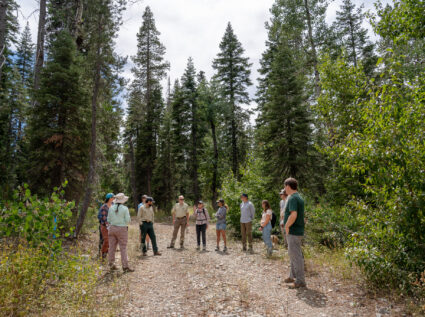
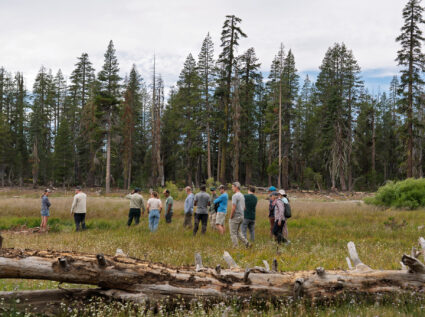
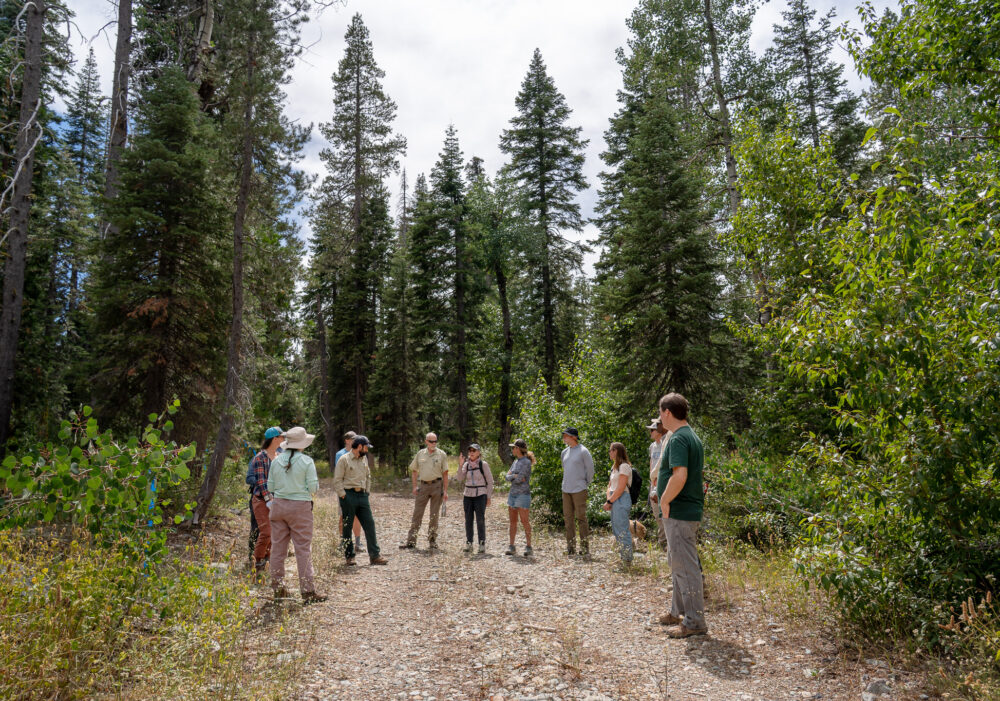
Blue Forest recognizes that the North Yuba River watershed makes up the ancestral, traditional, and contemporary homelands of the Nisenan People and the neighboring territories of the Mountain Maidu, Konkow, and Washoe, who have stewarded these lands since time immemorial. The Nevada City Rancheria Nisenan Tribe and SYRCL are partnering on a restoration workshop series to support Tribal workforce development and strengthen the role of Indigenous stewardship in ongoing restoration efforts.
Why Meadows and Aspen Matter
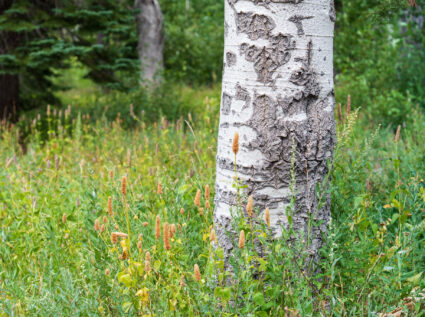
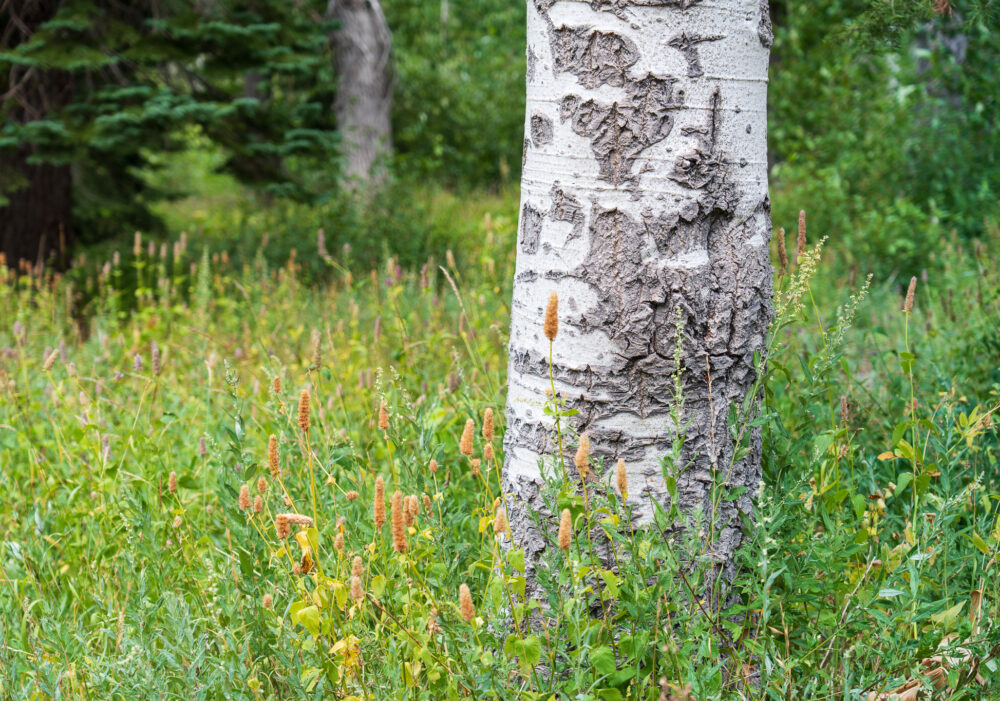
Building this stewardship capacity is vital, as the North Yuba watershed contains some of the Sierra Nevada’s most vulnerable ecosystems. Meadows, though covering just 2% of the range, act as natural water banks, storing snowmelt, filtering water, capturing carbon, and providing critical habitat for endangered species such as the Sierra Nevada yellow-legged frog and willow flycatcher. Aspen stands are even rarer, making up less than 1% of Sierra forests. Yet the root systems of both Aspen and meadows help retain water, slow spring runoff, sustain streamflows for downstream communities, and support rich biodiversity.
Warming temperatures, along with decades of fire suppression, historic mining, and other land-use impacts, put meadows and aspen at risk, threatening the vital ecosystem services they provide. Without restoration, these natural water banks– and the ecosystems and communities that rely on them—could disappear.
Project Sites and Treatments
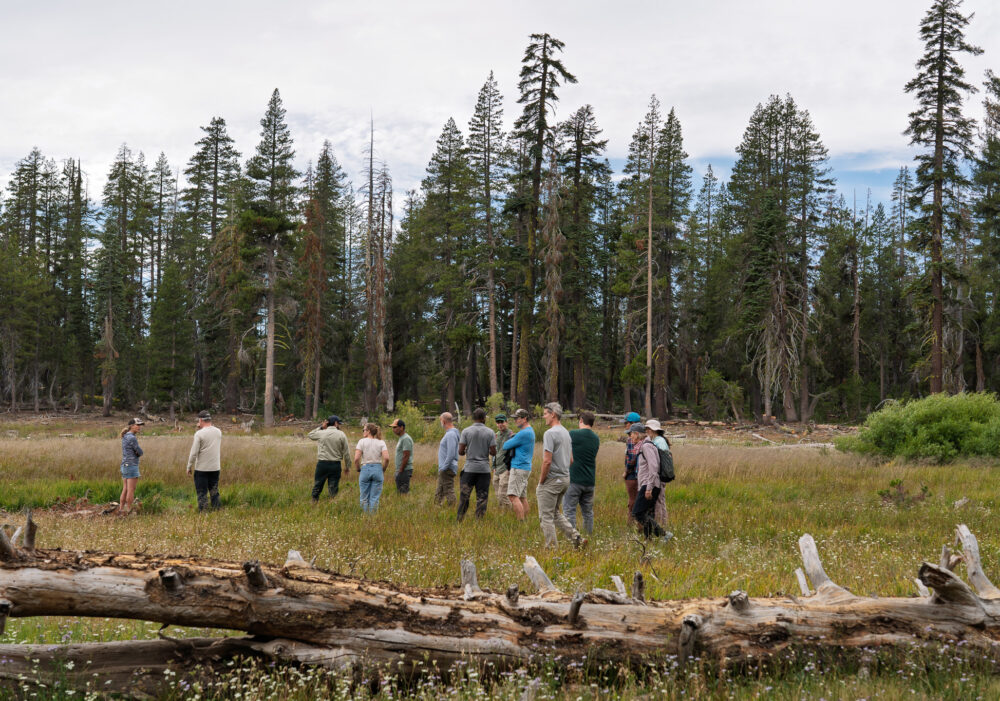
The Yuba Aspen and Meadow I FRB will be split between three projects including Packer and Salmon Creek, Haskell Peak Meadows, and Church Meadow. Treatments are tailored to each individual landscape and will create impacts necessary to restore landscape health, mitigate risks of catastrophic wildfire, and improve water storage.
Packer & Salmon Creek (292 acres of meadow and forest)
Thin dense conifers to reduce wildfire risk and promote aspen regeneration, improving habitat for birds, pollinators, and large mammals.
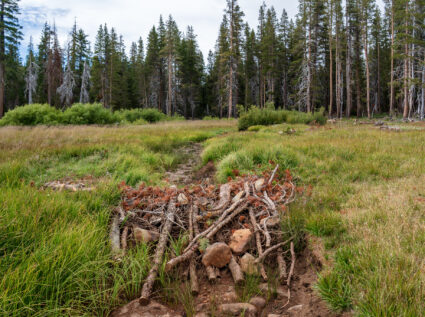
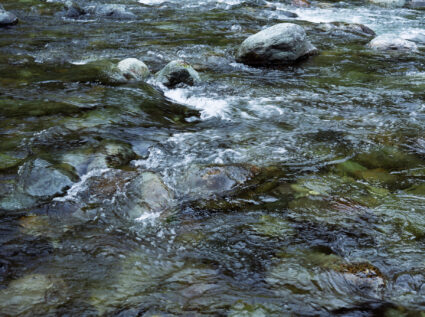
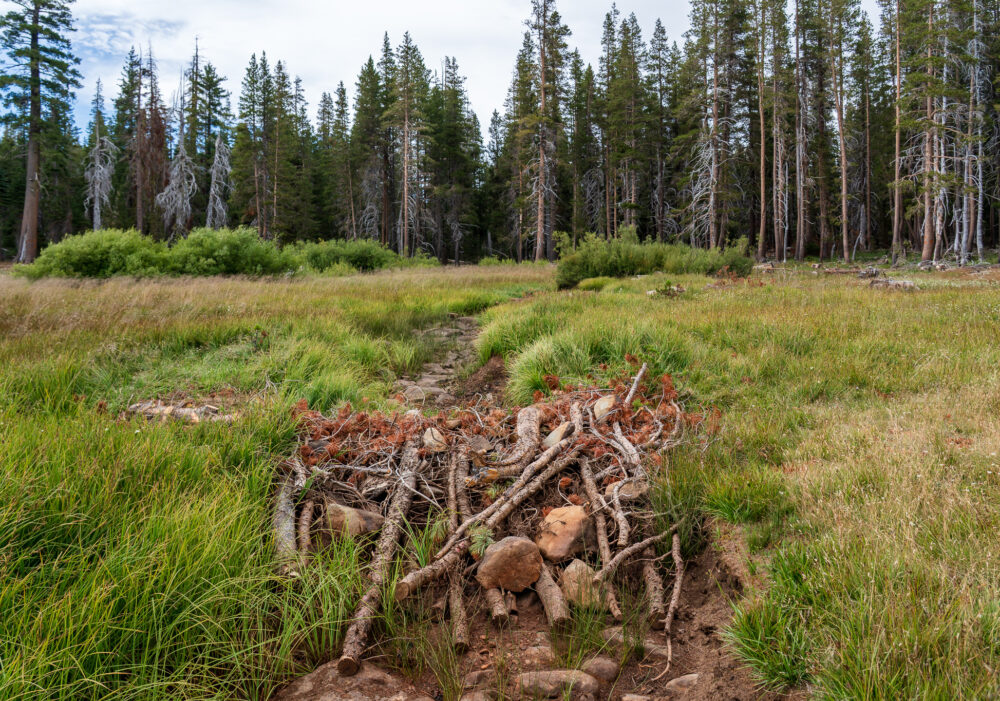
Install beaver dam analogs to slow water flow, raise groundwater tables, and expand wetland vegetation, enhancing late-summer flows for fish and amphibians.
Reconnect floodplains by removing erosion barriers and restoring stream channels, boosting water storage and habitat complexity.
Haskell Peak Meadows (229 acres of meadow)
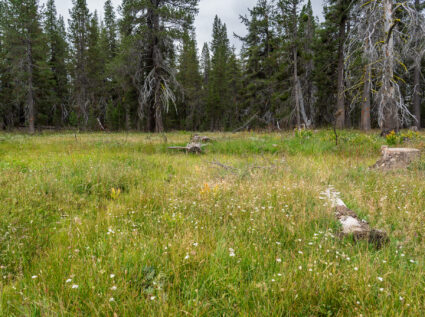
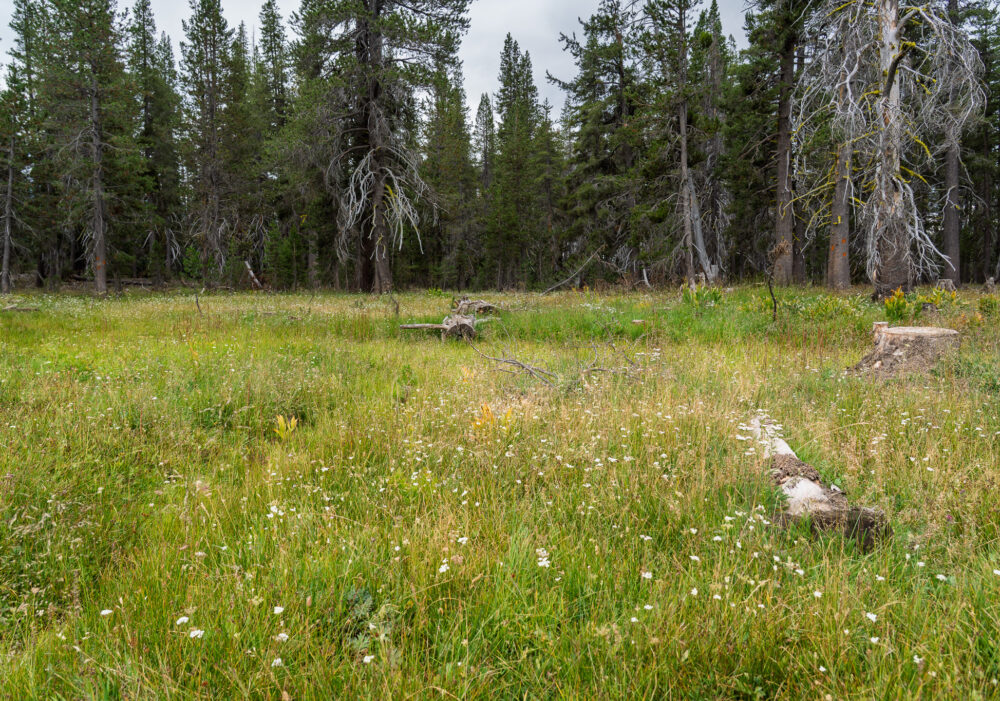
Remove encroaching conifers to restore open meadow systems and increase biodiversity.
Install natural structures to slow runoff, recharge groundwater, and improve downstream water quality.
Protect sensitive areas with exclusion fencing to allow vegetation recovery and enhance soil stability.
Church Meadow (149 acres of meadow)
Regrade degraded stream channels to improve floodplain connectivity and increase water storage capacity.
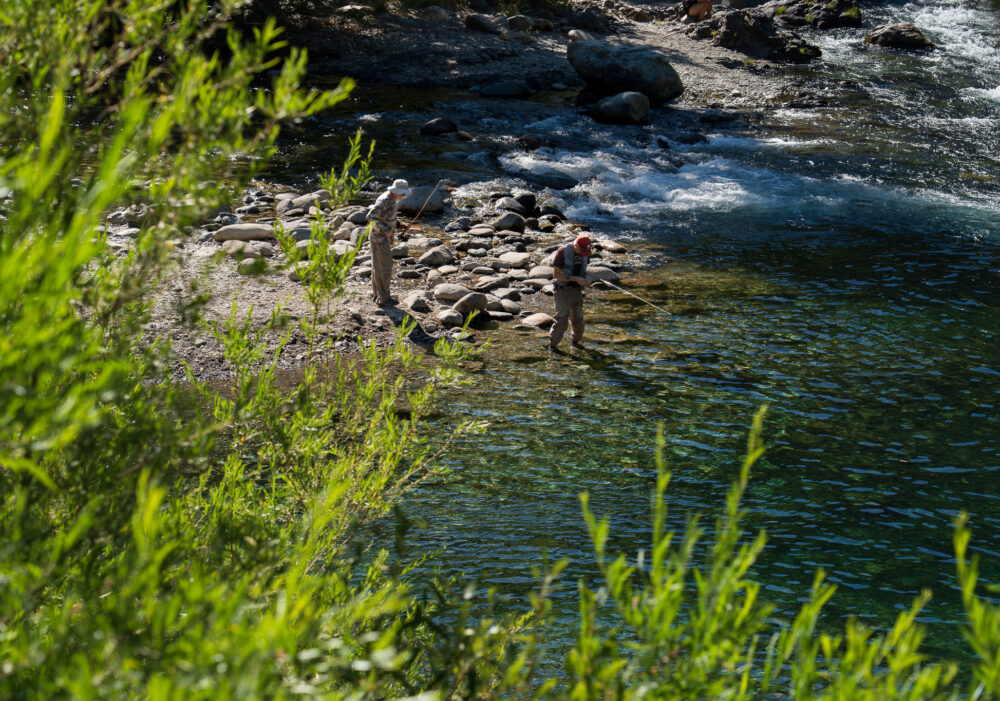
Plant native willows and wetland vegetation to stabilize banks, store carbon, and provide cover for migratory birds and aquatic species.
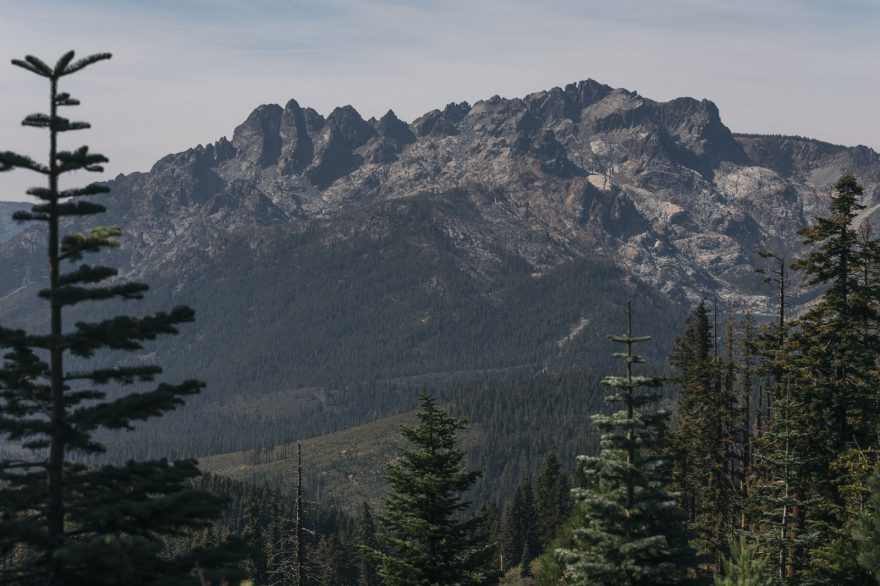
By restoring native vegetation and stream function, the project will also enhance scenic views and recreational opportunities in the Sierra Buttes region.
Building on Foundational Partnerships
The YAM I FRB builds on years of collaboration and trust established through the North Yuba Forest Partnership and the Yuba I and Yuba II FRBs. These foundational partnerships created the relationships, technical expertise, and momentum needed to bring another FRB to fruition. By leveraging this network, Blue Forest and its partners are accelerating the pace and scale of restoration across the Yuba watershed—an area at extreme risk of wildfire—while strengthening the long-term capacity to care for these landscapes.
Anticipated YAM I outcomes
-
32
32
jobs supported
-
394
394
acres of meadow restored
-
4
4
miles of riparian habitat treated
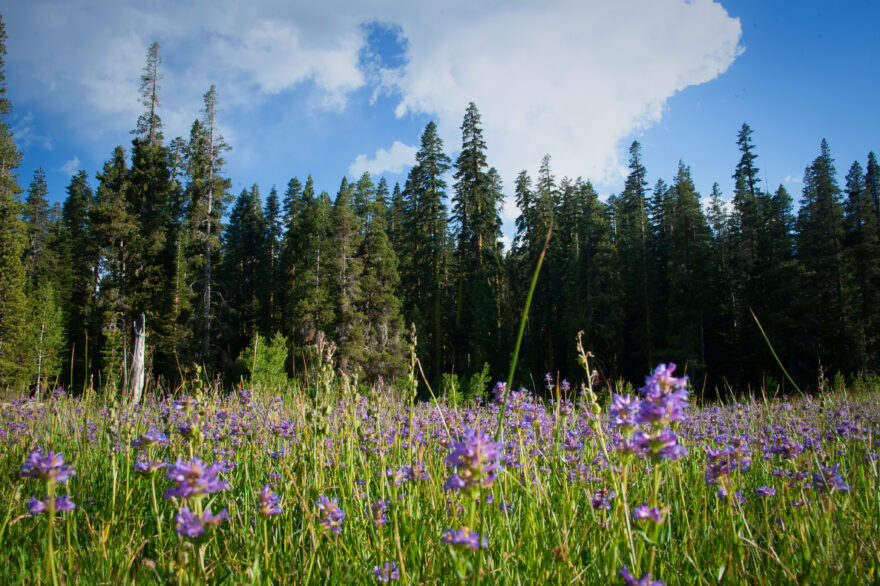
Photos on the landscape

Project Partners
Projects
Related Projects
View all-
Tahoe National Forest
Completed
Yuba I FRB
-
Tahoe National Forest
Project underway
Yuba II FRB
-
Plumas National Forest
Project underway
Plumas Community Protection I FRB