Whitepaper: Community-Based Approach to Wildfire Risk Mitigation
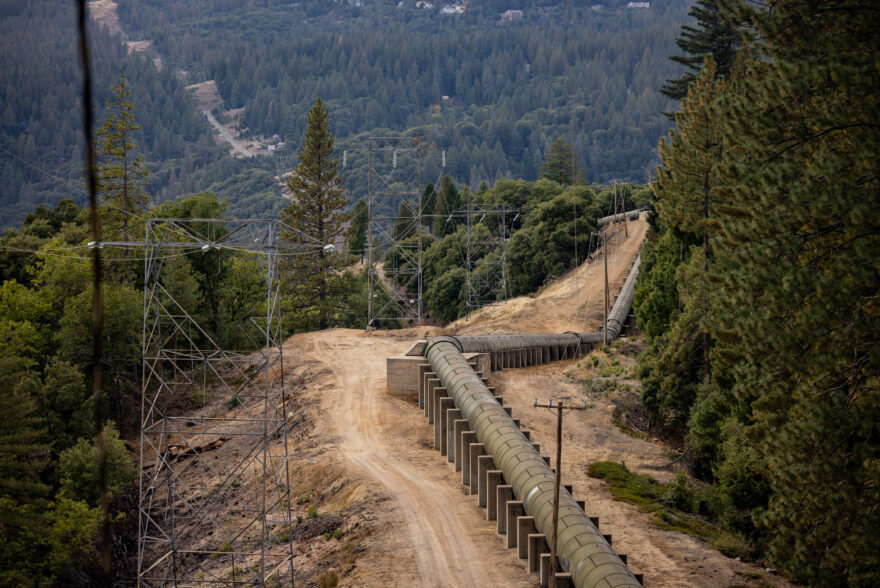
This whitepaper introduces a partnership-based model for wildfire risk mitigation that positions utilities as catalysts in a public-private ecosystem of resilience. It explores how utilities can expand their role beyond the traditional right-of-way (ROW) wildfire mitigation efforts to engage in programs, and with partners, that are mutually beneficial to their infrastructure, customers, and the communities and forests they operate within.
Catastrophic wildfire is becoming increasingly common and severe due to warming temperatures, extreme weather events , unsustainable forest management practices, and development in the wildland urban interface (WUI). These factors have transformed wildfires into a year-round and geographically diverse threat with growing frequency and intensity, which is having far-reaching effects on community resilience, economic stability, infrastructure integrity, and public safety. Electric utility assets are one source of wildfire ignition, and many utilities have taken significant steps in the last decade to assess their wildfire risk, develop response strategies, and harden their assets to reduce the risk of ignition. But the threat of catastrophic wildfire extends beyond the utility ROW and utility infrastructure–customers are threatened by all wildfires, not just those ignited by utilities. Utility mitigation programs within the ROW remain a crucial piece of a wildfire mitigation plan, but the frequency, scale, and severity of today’s wildfires warrants a collaborative and comprehensive approach, representative of the magnitude of the challenge.
The first section outlines the evolving nature of wildfire risk and its implications. The second section discusses the opportunities presented by this model. The last section provides strategic insights to grow this approach.
The catastrophic wildfire challenge is a collective problem, requiring a collective and comprehensive response. Wildfire resilience partnerships have proven to be an important tool to improve community safety, reduce utility risk, and restore healthy forests, and deserve expanded participation and support moving forward.
Prepared for: Pacific Gas & Electric Company, Salt River Project, Liberty Utilities (CalPeco Electric) LLC (“Liberty”), Idaho Power, National Forest Foundation, and Blue Forest