Walking the Land: My Journey with Indigenous Knowledge
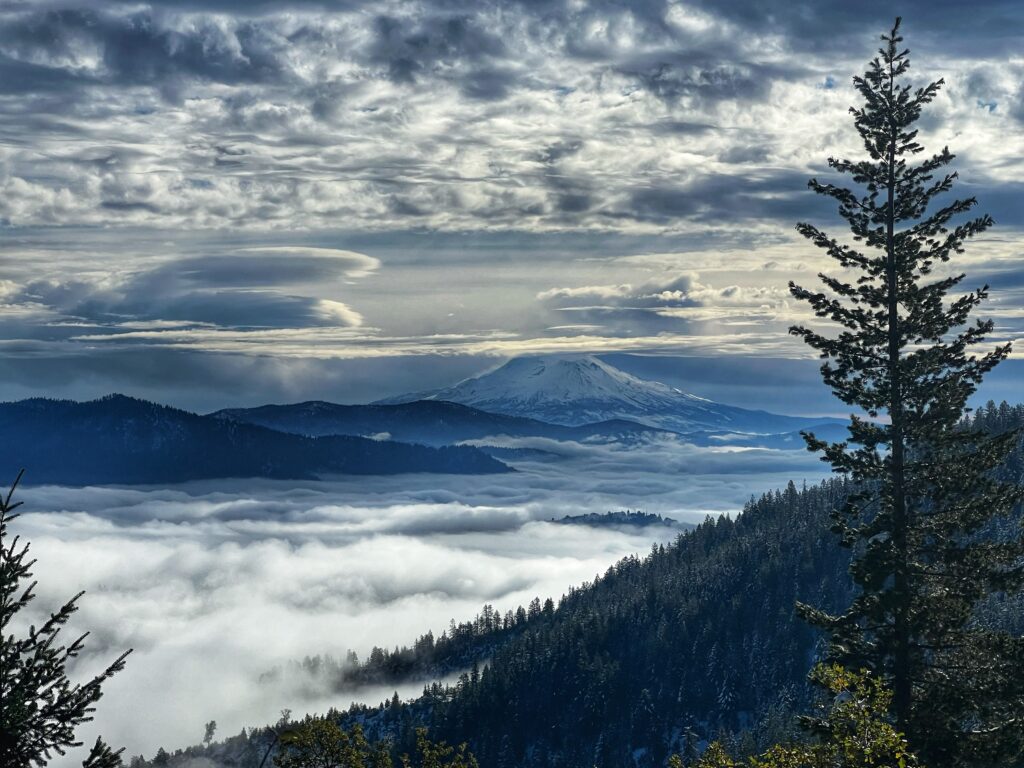
When I married and moved 180 miles to my husband’s “village,” everything felt new and unfamiliar. But as I walked my dogs along the same three-mile trail each day, I felt a growing connection to the land. These daily walks became a form of immersion. With each step, my love for this place deepened—and I felt it embrace me in return.
Written by: Wiyaka Bennett, Indigenous Partnerships Manager
As a descendant of Norwegian and Swedish heritage on my father’s side and raised as a Karuk woman on my mother’s side, I have a profound connection to my roots in the Klamath Mountains. I have been taught to live in a way that honors my maternal grandmother and ancestors, stretching back to our first grandmother—vaa vuréekrii xâat vura kinímuustihap. With this connection comes an inherited responsibility: to know the plants, the animals, the fish, and how to care for them with devotion and respect. As ithivthanéen’aachip va’áraar, we are “fix-the-world people”—land stewards working to restore harmony in an imbalanced world.
Where the Trail Begins
At the entrance to the trail I walk each day stands a magnificent white oak tree—a steadfast presence through the changing seasons. She unfurls new leaves each spring, reaching toward the sky with a quiet strength that speaks of resilience. Every day, I place my hand on her bark and whisper, yáv máh’íit, axvêep—a small offering of gratitude and recognition.
She reminds me that my community extends beyond people—it includes koovúra ithívthaaneen: Oak, Manzanita, Deer, Rock, and countless others who share this space. This understanding lies at the heart of Indigenous Knowledge (IK): a way of relating rooted in care, balance, and shared responsibility. This is not just nature. This is community.
In today’s fast-paced, tech-driven world, this kind of connection may seem distant—yet it is more urgent than ever. IK offers a way forward. It teaches us not just how to live with the land, but how to listen to it.
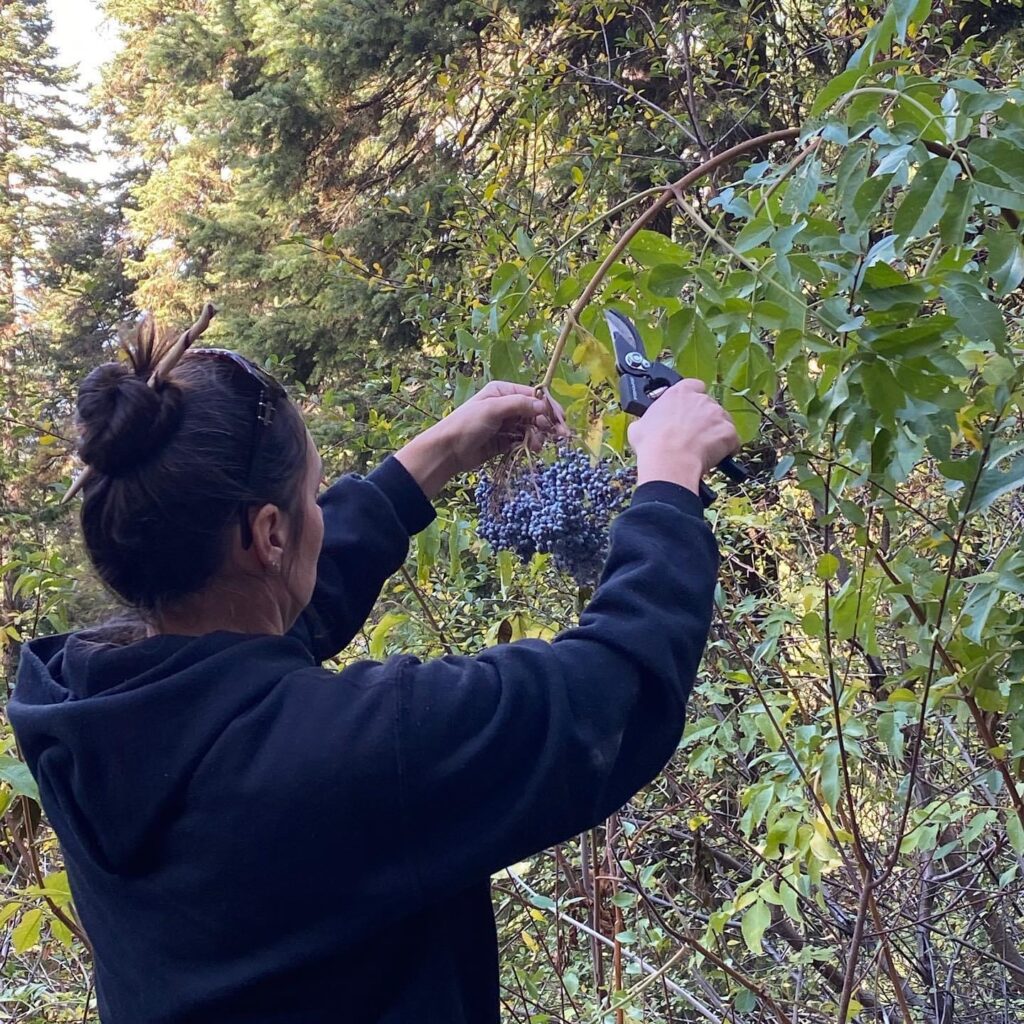
Each day of walking offers a chance to watch life unfolding around me, observing the subtle rhythms of the land. I watch the plants thrive in their chosen spots, adapting to the ebb and flow of the seasons. I note which ones begin to bear fruit or show new growth—each a gift, destined for the traditional uses that have sustained our people for hundreds of generations.
I observe the animals too, recognizing how specific species return as particular plants emerge. These patterns reveal the intricate relationships between plant and animal life, echoing the stories I’ve heard from my family and elders. Each discovery deepens my awareness of the sensitive interconnections that bind all living things.
IK is knowing a place so well that it becomes a part of you—of studying not just with the mind, but with the heart, the body, and the spirit. It’s science and spirituality, tradition and observation. It’s communal, intergenerational, and grounded in mutual responsibility.
Listening to the Old Ways
The quiet moments of simple observation on my walk reinforce the teachings of my ancestors: tread gently, listen deeply, and honor the wisdom that nature shares. Each plant, each migrating bird, each blooming flower is a teacher, guiding me toward a profound understanding of the world around me. In their presence, I witness the timeless dance of life—an ever-evolving story of connection and coexistence.
This way of seeing, of knowing, did not begin with me. It was nurtured by the elders who came before—wisdom keepers who listened to the land and shared its stories through lived experience. IK, in its essence, is a living body of wisdom passed down orally, shaped by generations who learned not only about the land but with it. Rooted in enduring relationships with place, this knowledge has guided our communities in stewarding the land with intention and balance.
Tending Fire
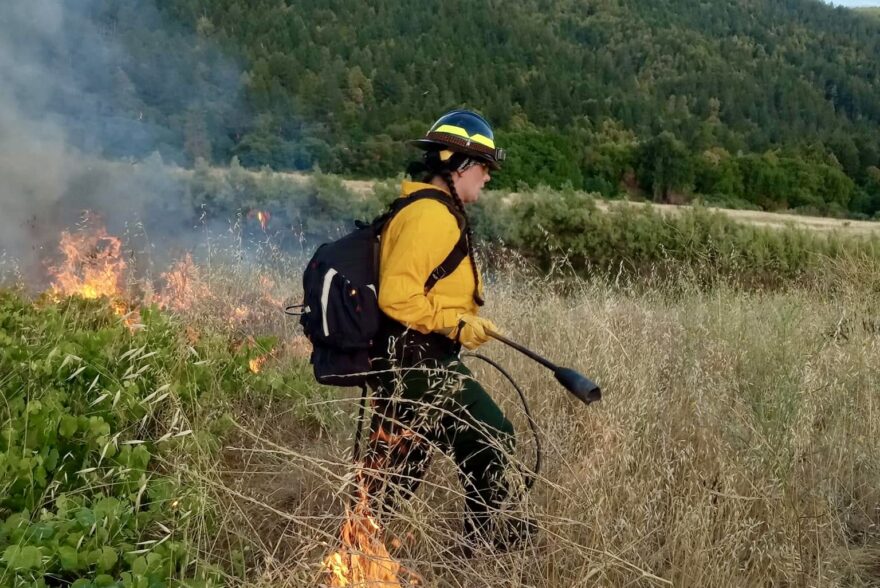
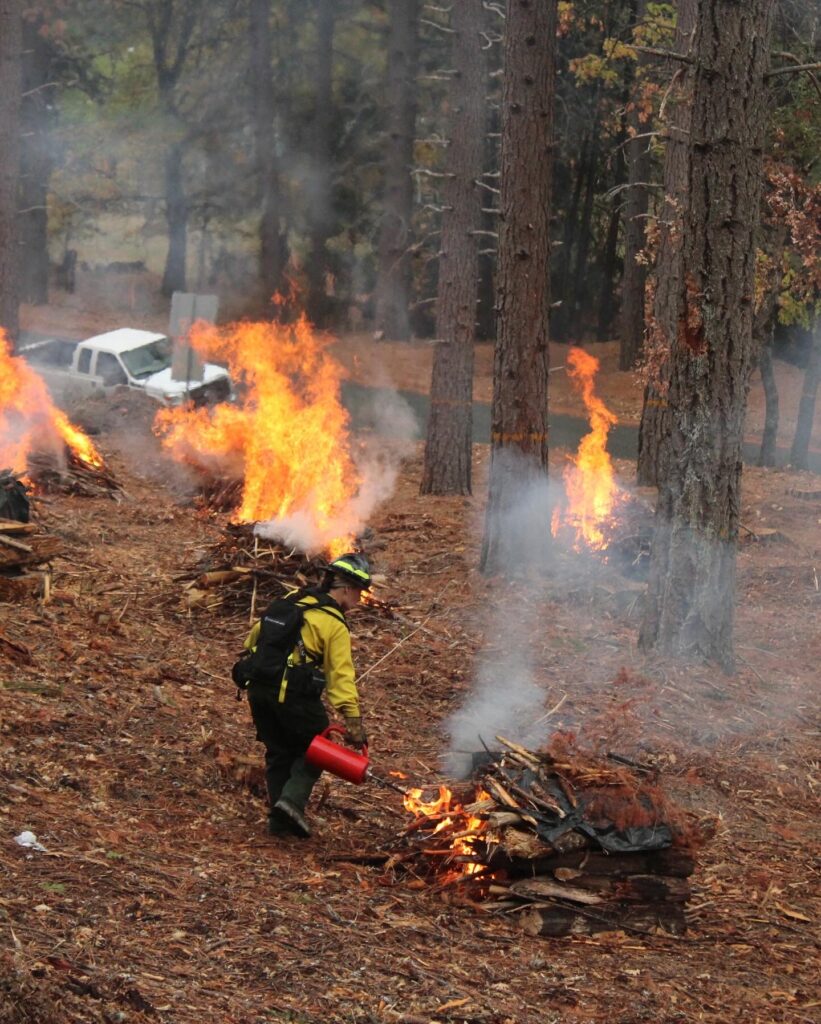
One of the most profound teachings I’ve received is about fire, not just as an element, but as a relative and teacher. It is a mindful, relational, and deeply intentional way of caring for the land. Through controlled burns, cultural fires clear underbrush, reduce tree density, eliminate pests, and encourage the growth of vital plants used for food, fiber, and medicine. It helps entire ecosystems breathe again.
But tending fire is not simply a technique—it’s a commitment and willingness to learn from each burn. It is a way of listening to the land, knowing when to act and when to wait. Utilizing fire is trust, timing, and generations of knowledge passed down through careful observation and lived experience.
Today, as droughts intensify and wildfire seasons become longer and more severe, this ancestral practice has never been more crucial. Cultural fire offers a path to renewal, healing landscapes scarred by decades of suppression and neglect. It not only promotes ecological balance but also enhances safety and resilience for our communities.
I am only beginning to understand the complexities of this practice, which has been refined over thousands of years by Indigenous fire stewards. To walk this path requires patience, humility, guidance from my elders and mentors, and reverence for the land’s rhythms—a journey I am deeply honored to learn.
In My Work
Today, I work as one of the Indigenous Partnership Managers at Blue Forest, a conservation finance nonprofit. My role is to build and support authentic partnerships with Indigenous communities. We braid together Indigenous knowledge and Western science to care for forests, watersheds, and those who depend on them.
This work is rooted in relationships—bonds that take time to build and are nurtured with care, trust, and mutual respect. It’s not enough to bring Tribal voices to the table; we must ensure they are shaping the table itself.
I often reflect on how IK is woven into my work—not as an add-on, but as a foundational way of understanding the world. IK shapes how we approach stewardship, define resilience, and listen to the land and one another.
What You Can Do
IK is not exclusive but must be approached with humility, care, and deep respect. If you are non-Indigenous and want to build a deeper connection with the land and support Indigenous knowledge systems, here are a few ways to begin:
- Learn about the Indigenous peoples whose lands you live on.
- Attend local events, talks, or workshops hosted by Native organizations.
- Be mindful of cultural appropriation, and seek to honor without taking.
- Ask permission before engaging with cultural practices.
- Support Indigenous-led initiatives, organizations, and land stewardship projects.
- Spend time outside. Notice what grows where you live. Watch the seasons change. Be quiet. Listen.
Most of all, remember that IK is not a checklist. It is a way of life—a circle—a continuous relationship, renewal, and care process.