Beneficiary Partnerships
Swipe
Utilities, Corporations, and Local Governments
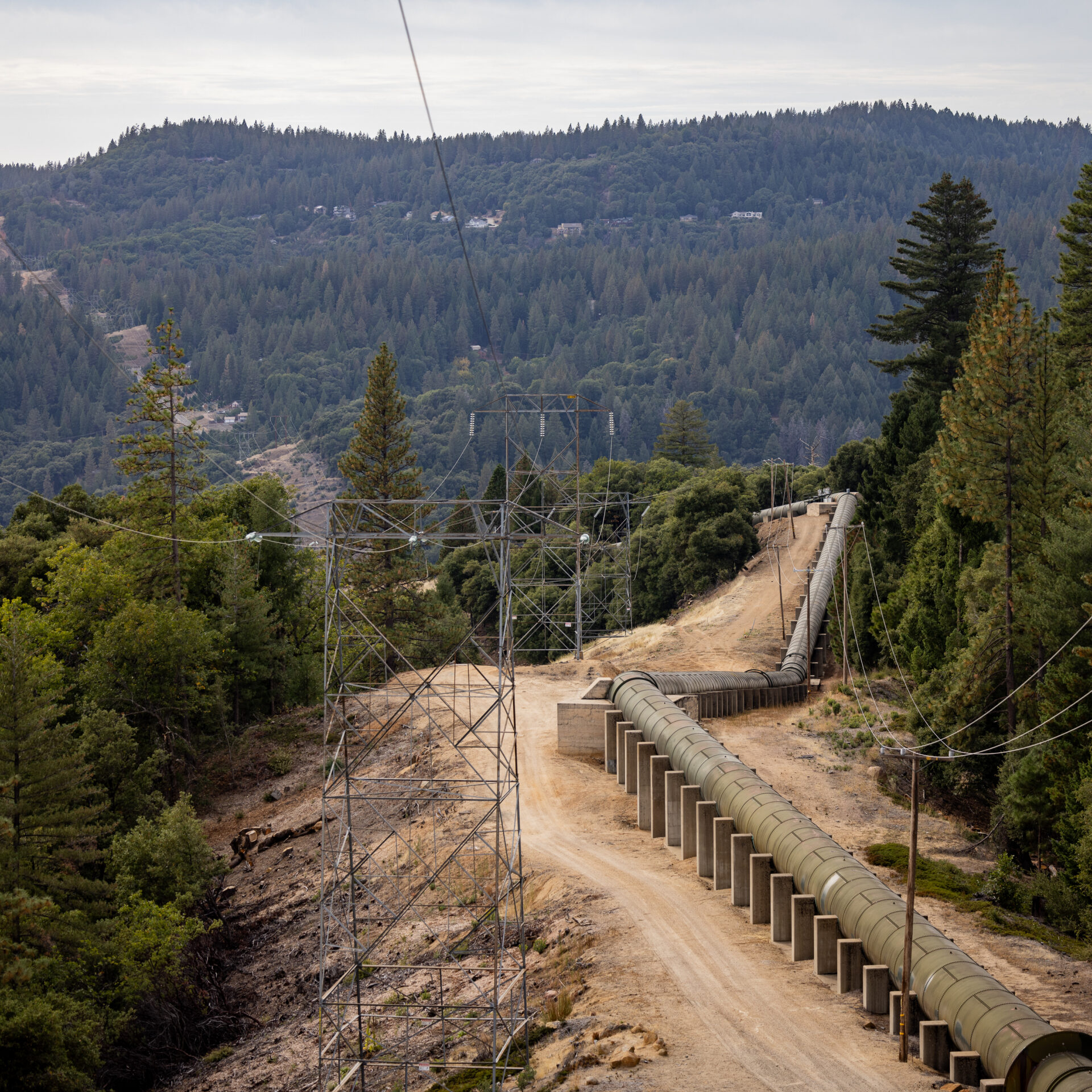
Utilities, corporations, and local governments are essential partners in addressing the modern wildfire crisis — serving as catalysts that enable shared investment, direct funds to projects that reduce risk, and help protect landscapes, communities, and vital assets.
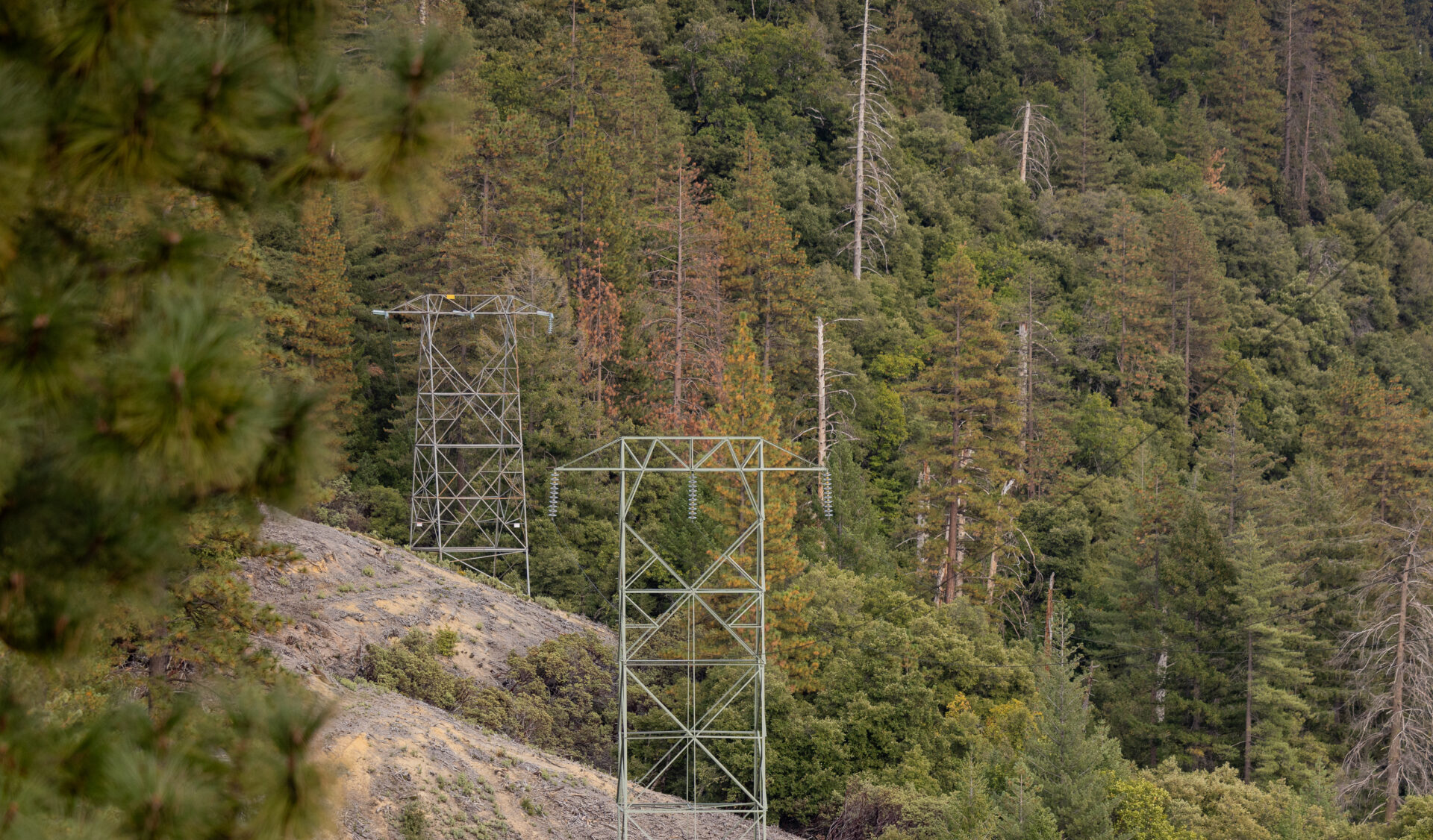
We work with utilities, corporations, and local governments to model and quantify the many benefits of resilient forests and watersheds, from water quantity enhancement and quality protection to wildfire risk reduction, protection of infrastructure and communities, and avoided economic loss. We help utilities, corporations, and local governments communicate those benefits to the organization, customers, and the wider public so investing in green infrastructure feels as natural and necessary as investing in gray.
How we work with beneficiaries
We work with utilities, corporations, and local governments to:
- Identify organizational drivers, operational risks, and the criteria that drive decision making
- Understand assets and values at risk
- Quantify the environmental benefits (working in partnership with World Resources Institute)
- Identify relevant outcomes, translate them into business-relevant metrics, and turn forest funding into a business decision
- Report on project impacts
Why beneficiaries are critical
Utility, corporation, and local government commitments are critical for:
- Enabling earlier, larger-scale implementation of priority treatments, accelerating the restoration of critical landscapes.
- Catalyzing collective action by signaling leadership and confidence in the project, attracting commitments from other beneficiaries and increasing total investment and landscape-level impact — while strengthening the case for state and federal cost-share.
- Unlocking additional public and private capital by serving as match funding, reducing perceived risk for other funders and investors, and improving competitiveness for grants and appropriations.
- Building workforce capacity by bringing future commitments forward, smoothing funding gaps, and enabling continuous work plans — positioning beneficiaries to realize the full economic, ecological, and risk-reduction value of the project sooner.
- Building durable implementation capacity by supporting longer planning horizons, stable contractor utilization, and sustained local workforce development, which ultimately lowers costs and improves outcomes over time.
What our Beneficiary Partners Have to Say
Why the FRB?
By contributing through the Forest Resilience Bond (FRB), utilities, corporations, and local governments are investing in a coordinated financing structure designed to deliver outcomes faster, more efficiently, and with greater accountability.
By channeling funds through the FRB:
- Capital is strategically sequenced and blended, allowing projects to move at the pace of ecological need rather than the pace of annual budgets or reimbursement cycles.
- Performance and risk are structured upfront. Scopes, timelines, and outcome metrics are clear and align incentives across partners.
- Funds are leveraged, not siloed. Each dollar works alongside private, philanthropic, and public capital in an integrated capital stack rather than operating as a standalone contribution.
- Administrative burden is reduced. The FRB centralizes contracting, capital deployment, reporting, and repayment mechanics, freeing implementation partners to focus on delivery.
- Long-term planning and cost efficiency improves because projects can be financed at scale and implemented in coordinated treatment blocks rather than piecemeal, year-by-year efforts.
Blue Forest is actively working with utilities and companies across the Western U.S. to develop additional FRB projects. Get in touch with us if you want to learn more about project opportunities in your area!
Beneficiary Partners

Related Projects:
-
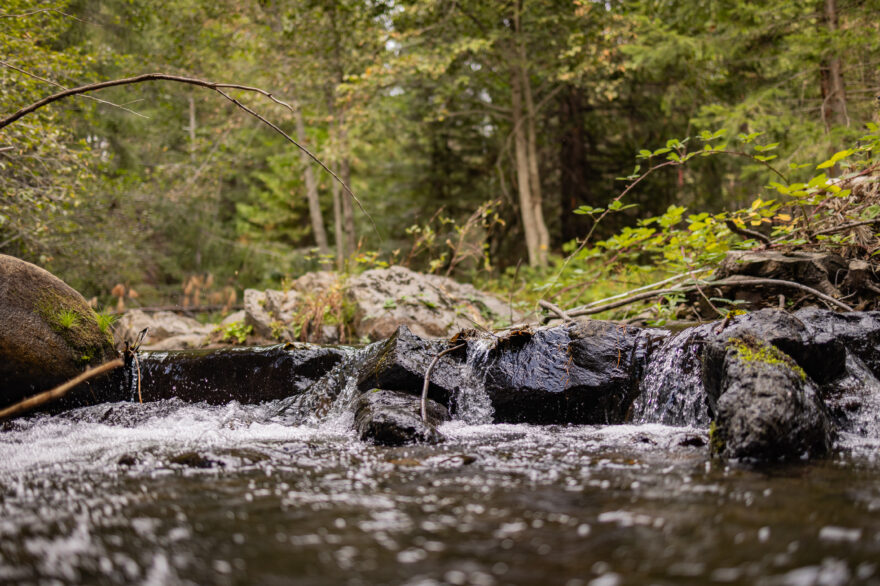
Eldorado National Forest
Project underway
Upper Mokelumne I FRB
-

Tahoe National Forest
Project underway
Yuba II FRB
-
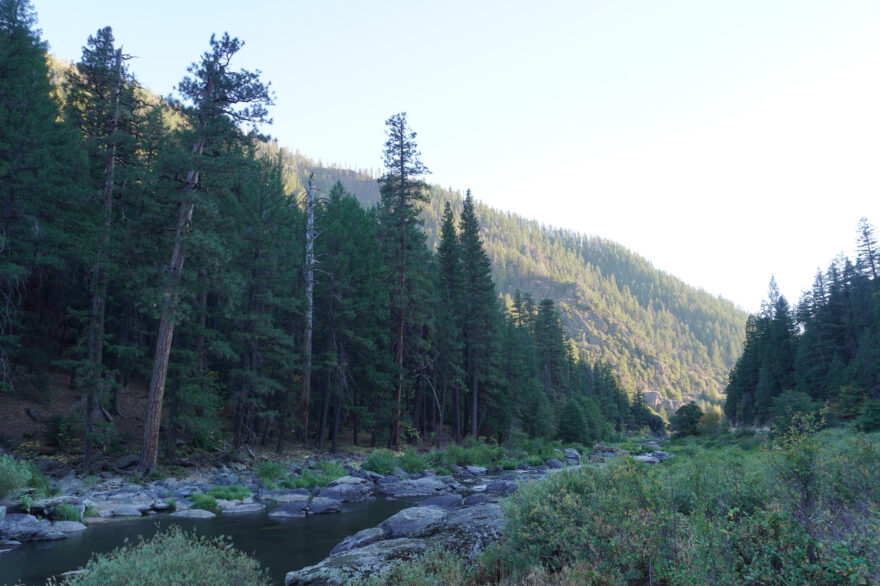
Plumas National Forest
Project underway
North Feather I FRB
In the News
View all-
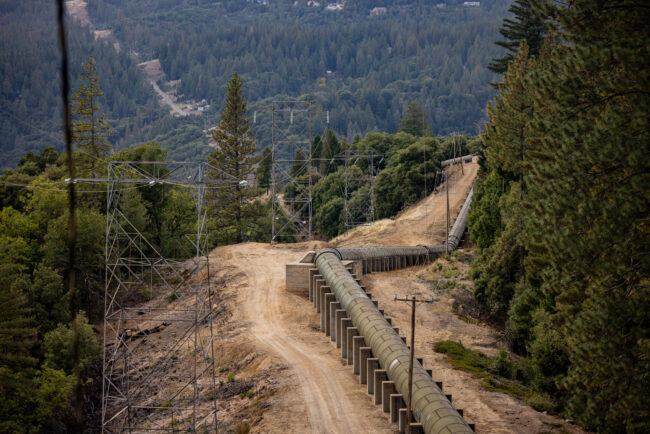
Insights, Other Resources
09.03.25
Whitepaper: Community-Based Approach to Wildfire Risk Mitigation
-
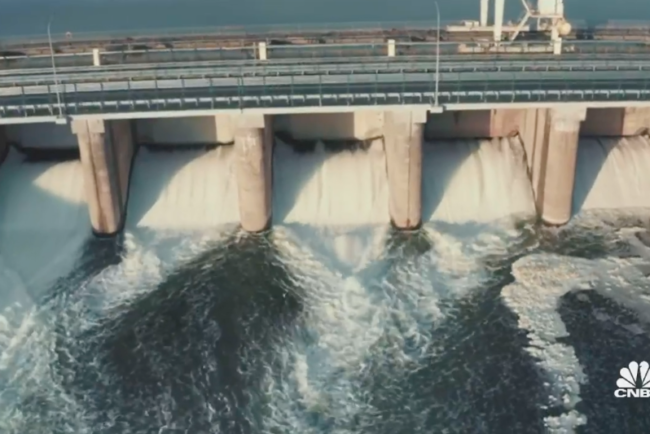
Media + Press, Video
09.02.21
How Fire is disrupting water in the West and putting big companies at risk | CNBC
-
Press Release
02.12.24
PepsiCo Beverages North America announces funding for four additional water replenishment projects driving further progress toward goal of becoming Net Water Positive by 2030